
Custom Tin Box Production Process: From Tinplate to Shipment
Follow Junmei’s in-house route from approved artwork, tinplate and tooling through coating, printing, slitting, forming, assembly, inspection, packing and container-loading preparation. The exact route is confirmed for the selected shape, structure, finish, quantity and packing plan.
Before production, buyers should confirm the intended use, usable size or fill requirement, lid and component plan, artwork version, finish, order quantity, target market, packing method and required date. These approved references are linked to the relevant production and inspection gates.
How custom tin packaging moves from approval to shipment.
Junmei groups the factory route around three buyer decisions: whether the printed surface matches the approved artwork and color reference, whether tooling and forming produce the approved structure and lid fit, and whether inspected tins are protected, identified and prepared for the agreed shipment handoff. Individual steps can be added, combined or reordered for the approved construction.
Prepare, coat & print
Tool, form & assemble
Inspect, pack & release
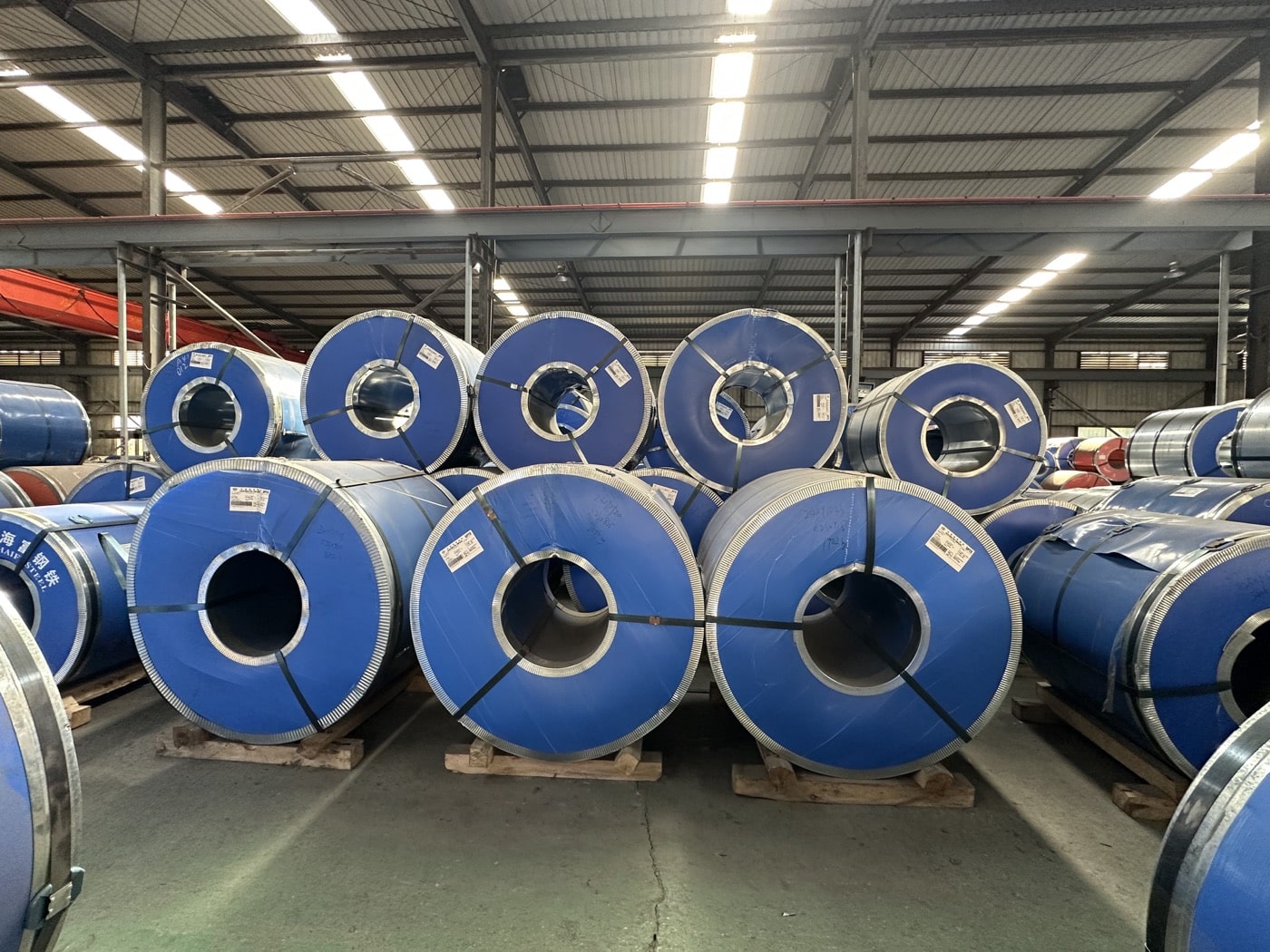
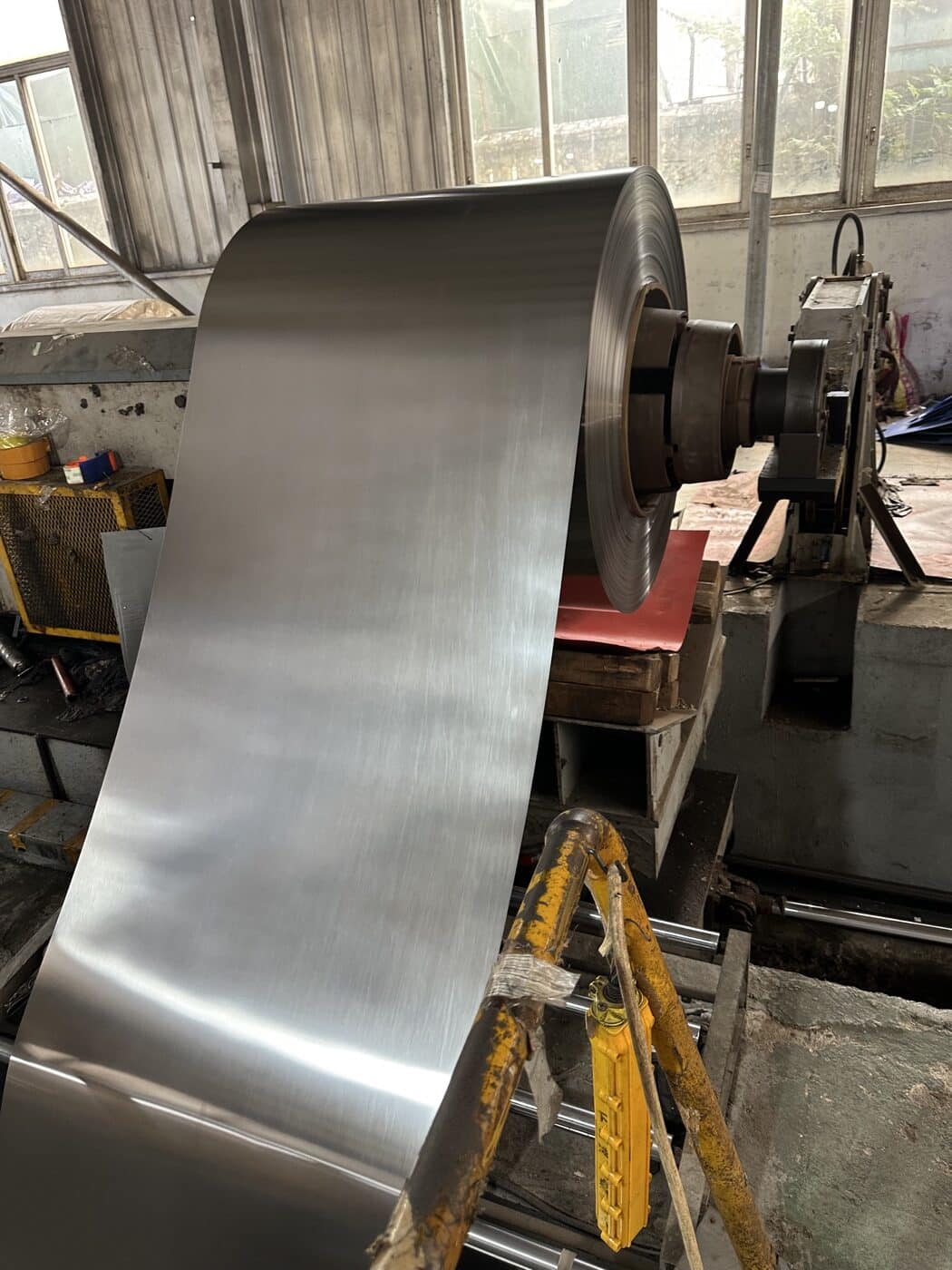
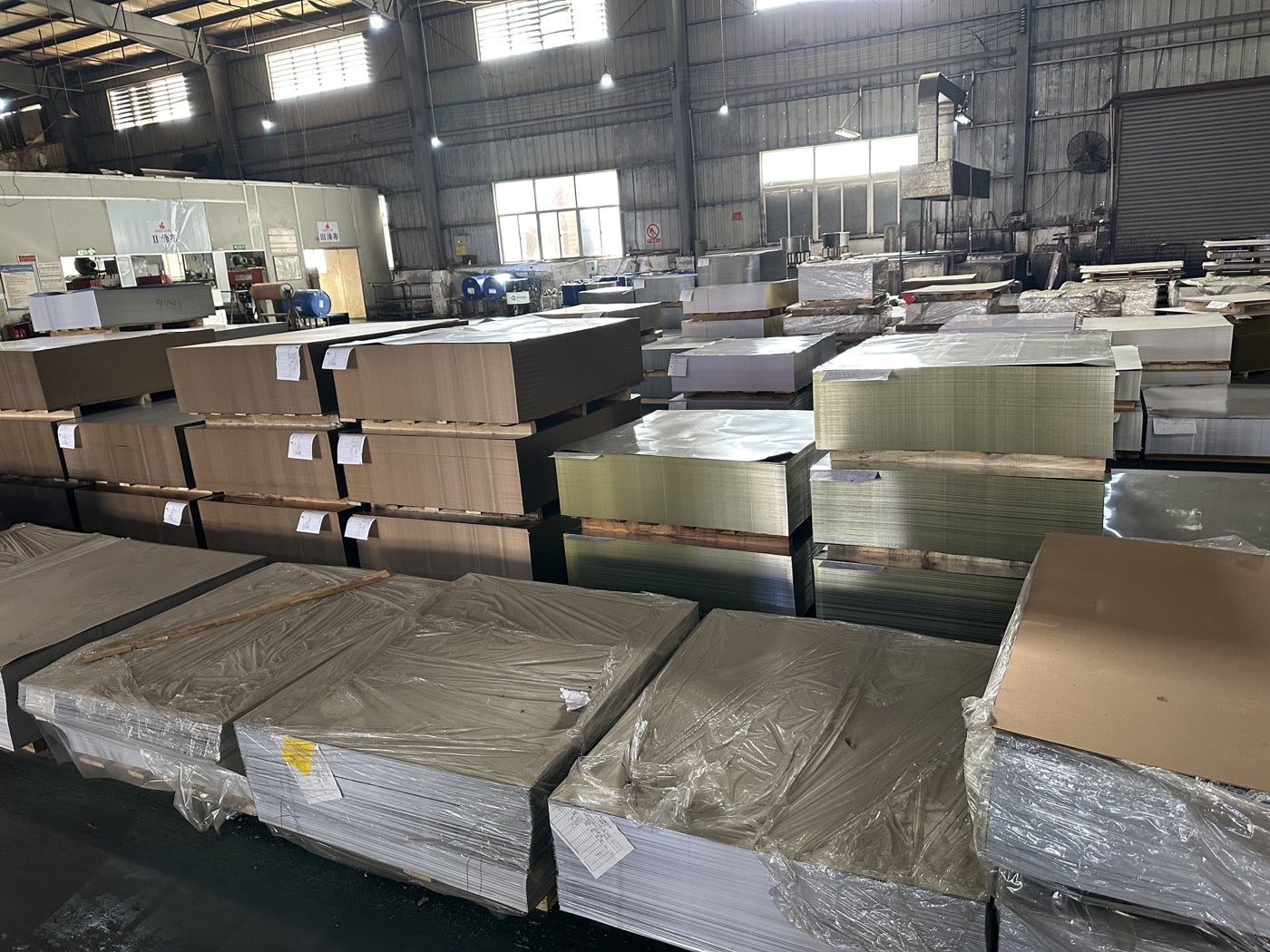
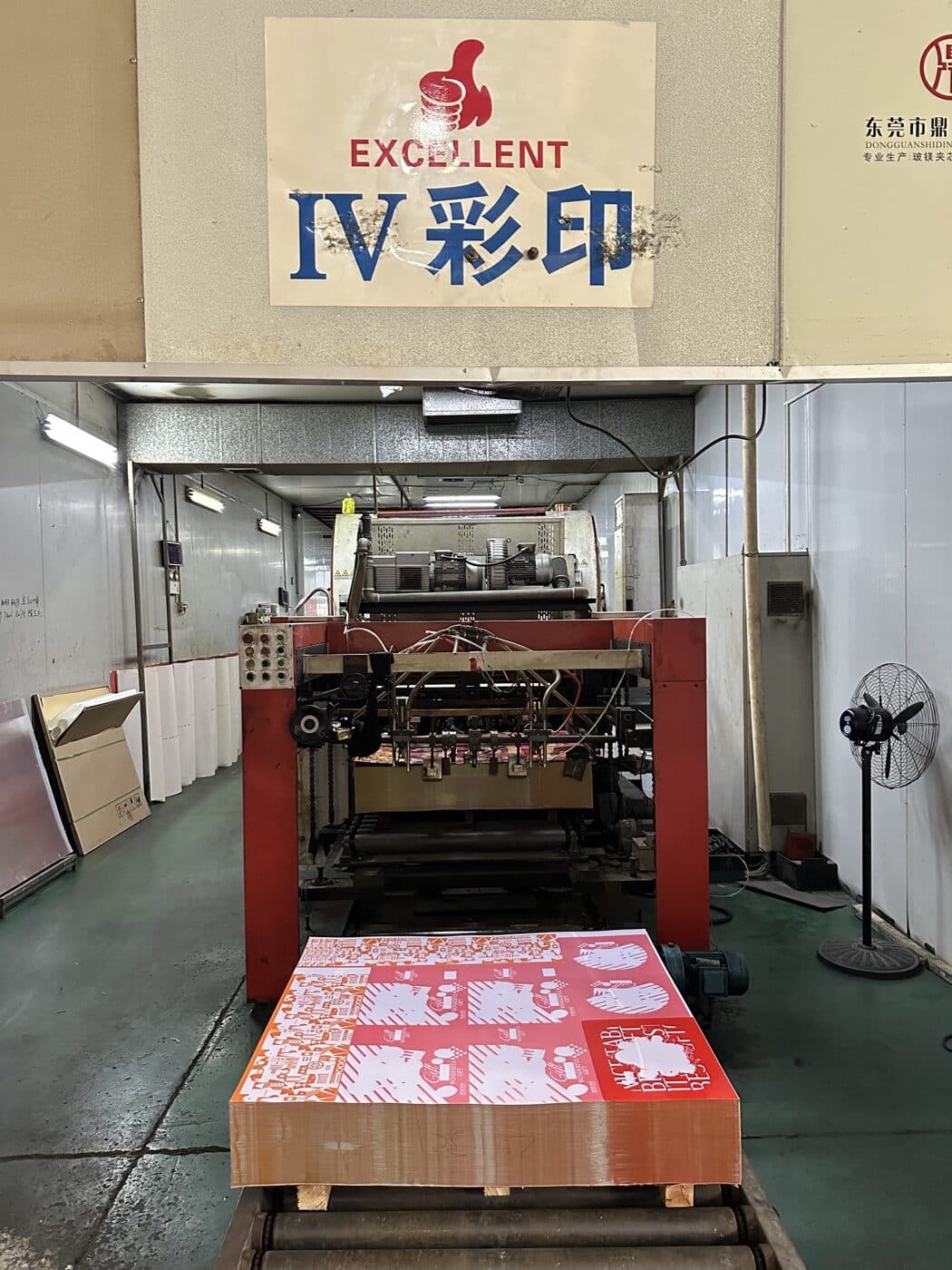
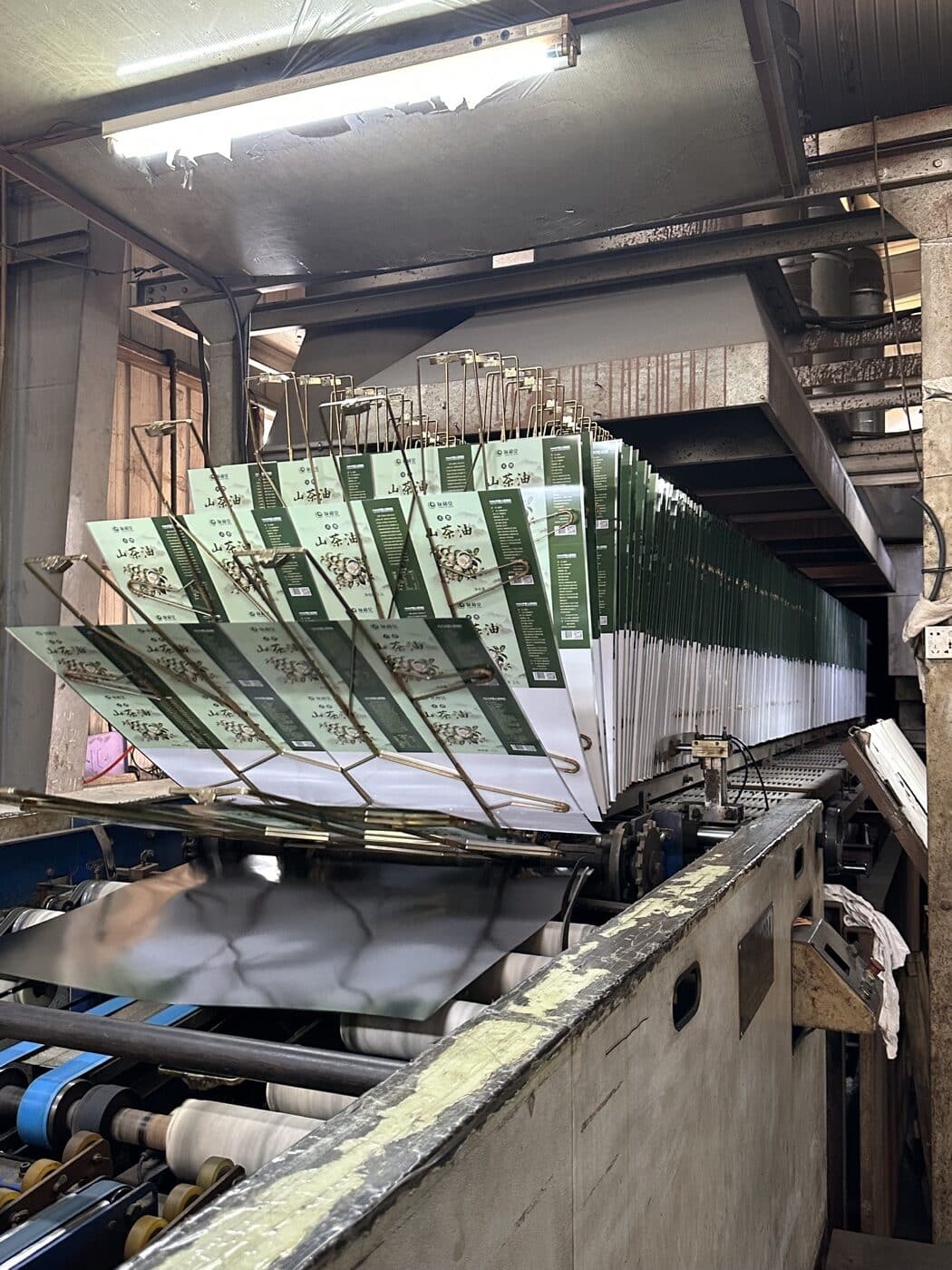
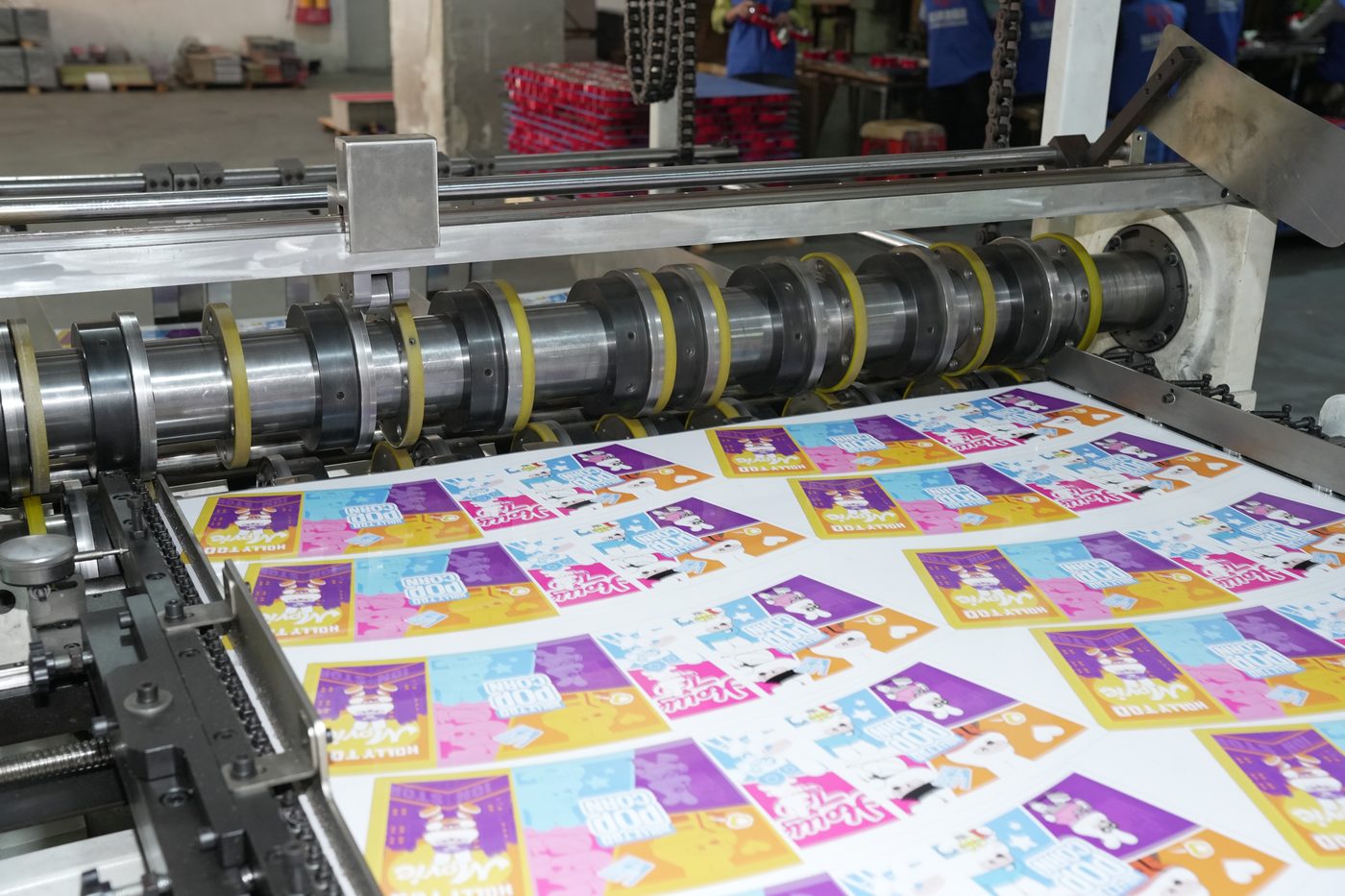
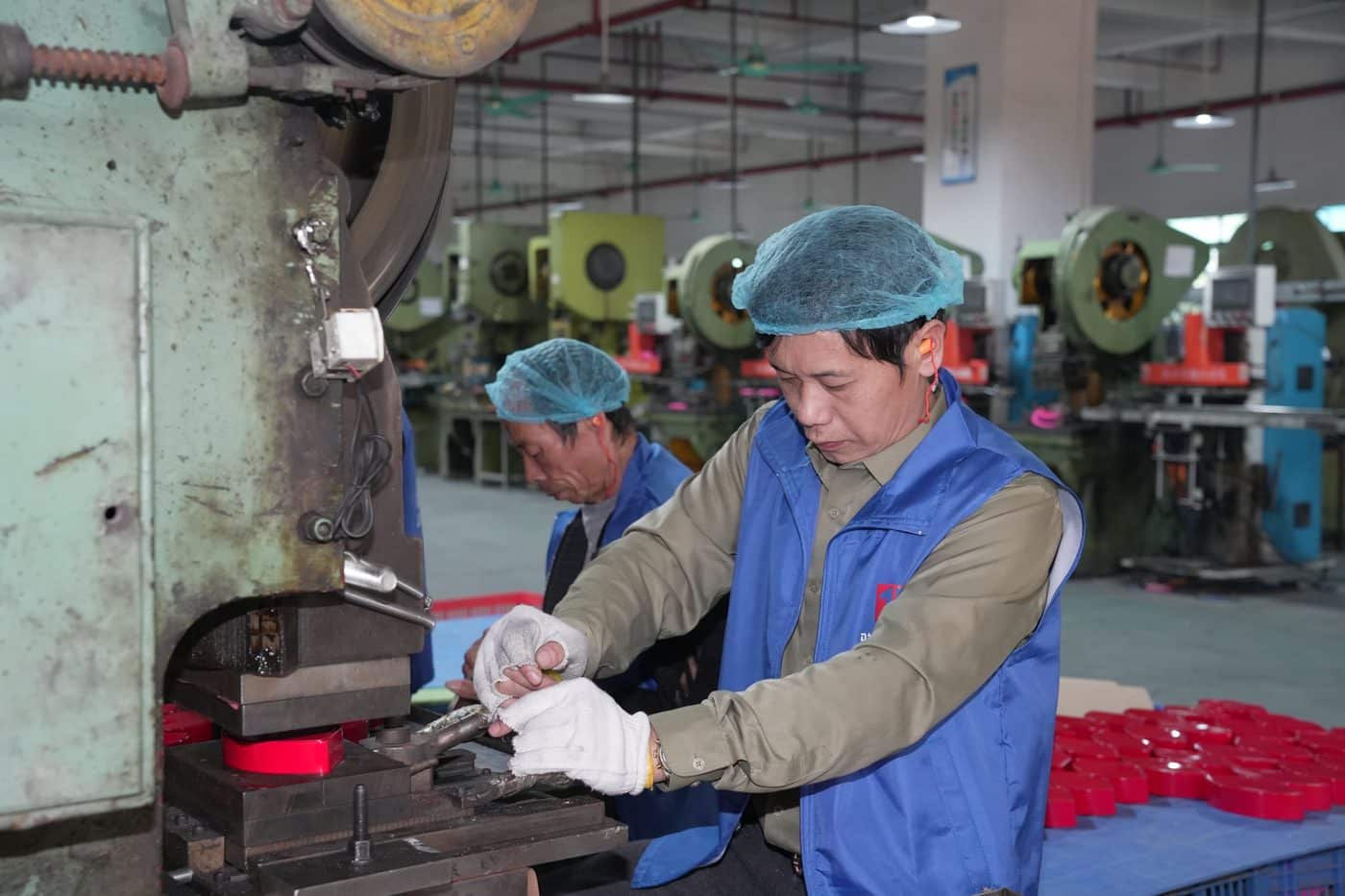
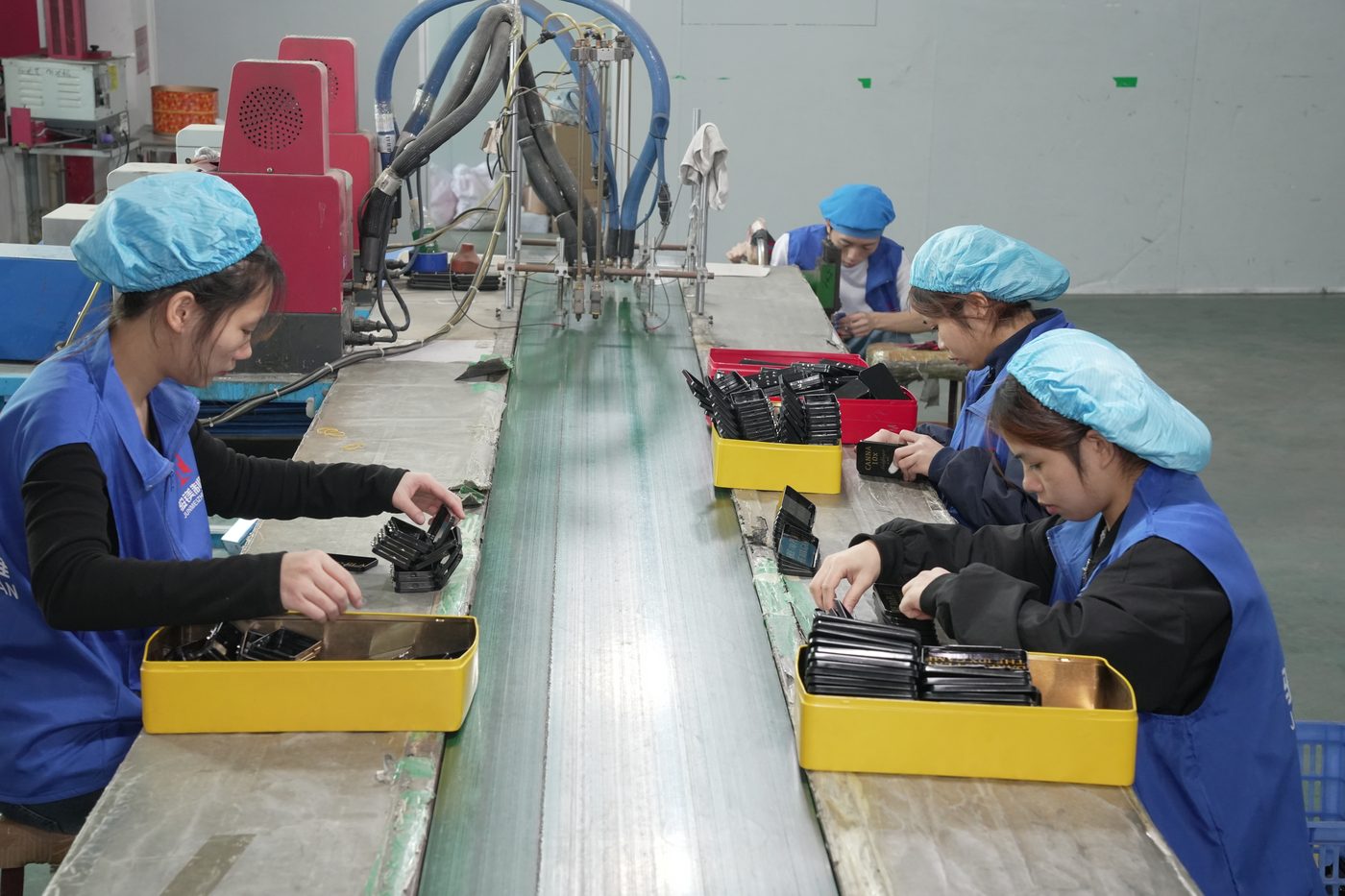
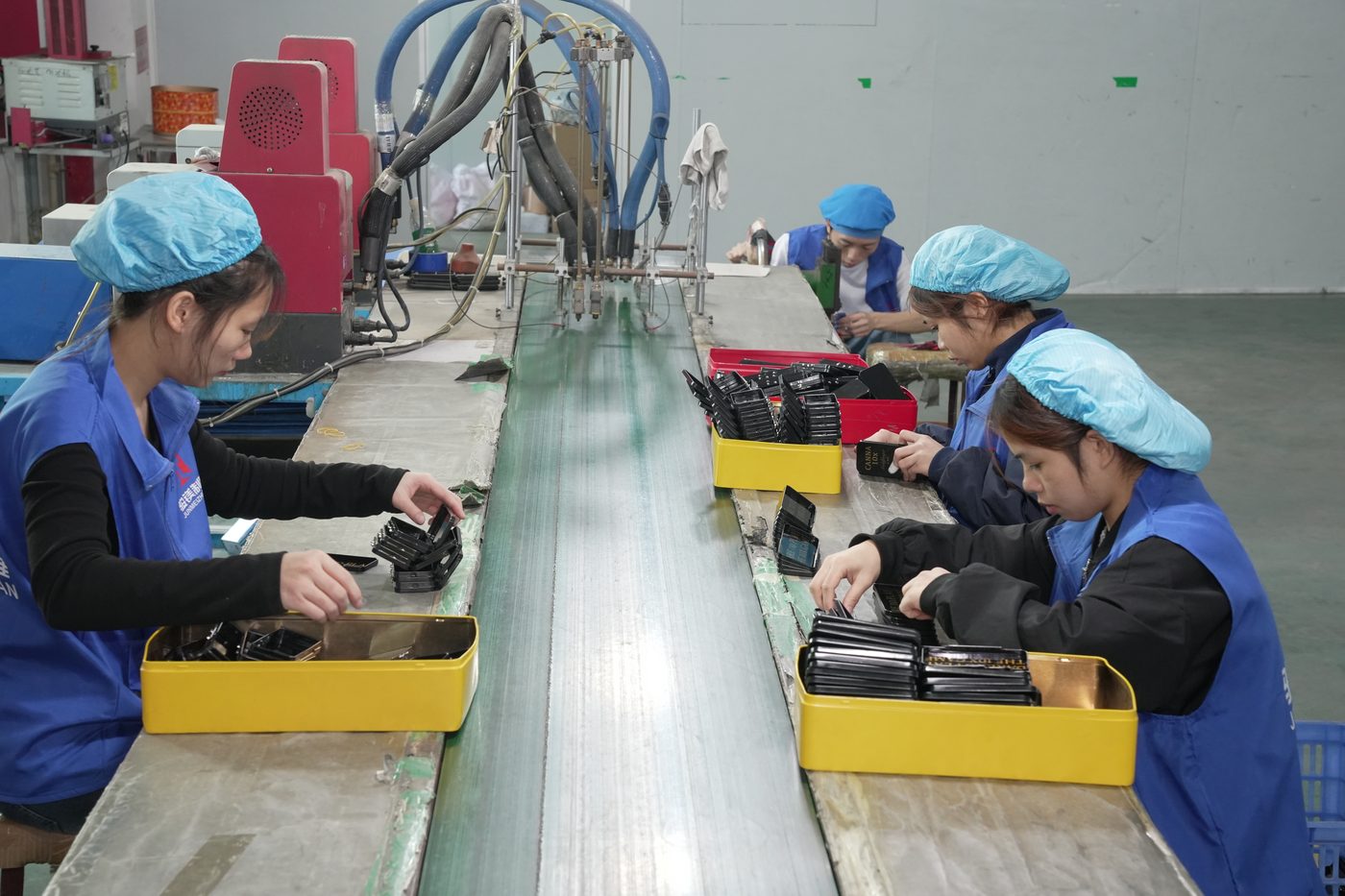
Lock artwork, coating and print references before forming.
The final artwork and dieline should identify panel orientation, lid-to-body registration, visible seams, embossing or debossing zones, windows or openings when used, and required coatings. Tinplate sheets then move through the approved coating and printing sequence, drying or curing, and slitting preparation. Color and layout corrections are most practical before the printed metal is released for forming.
- InputFinal artwork and dieline, approved color target, tinplate and coating requirements
- ControlSheet orientation, print registration, visible color and surface, coating or ink curing, and handling before slitting
- Buyer referenceApproved artwork version, proof or signed color target, plus any project-specific coating reference
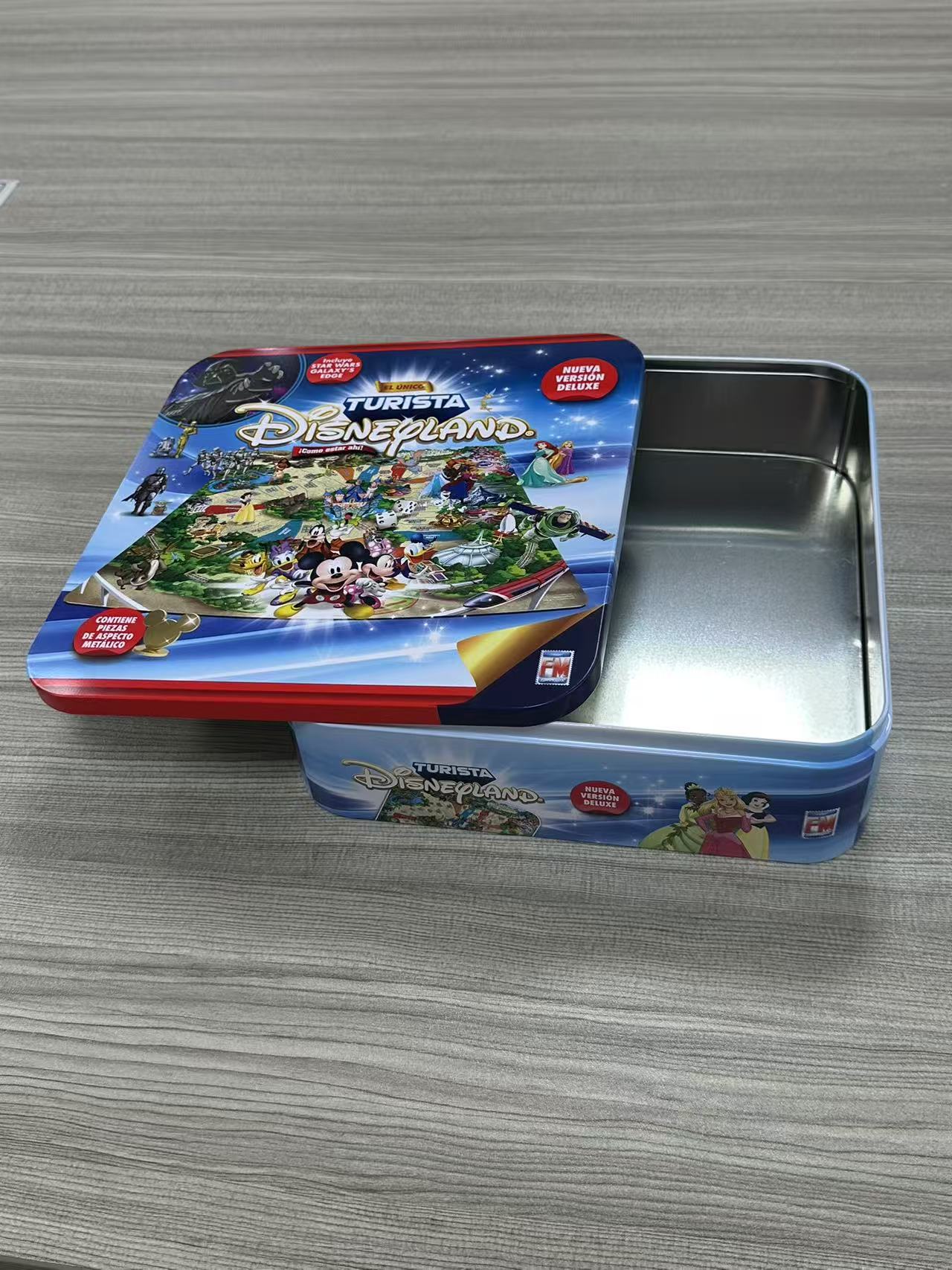
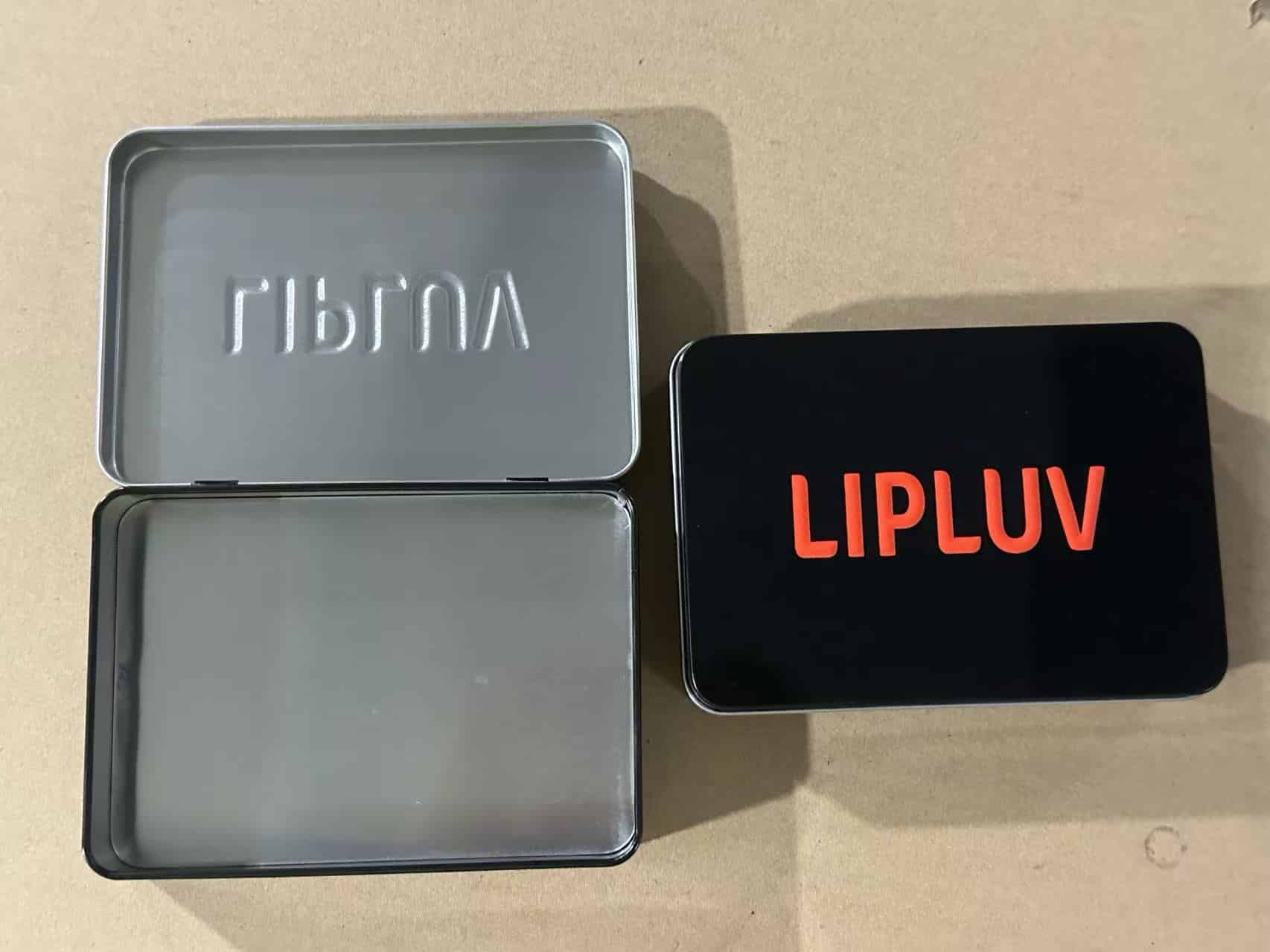
Convert approved printed sheets into the specified tin structure.
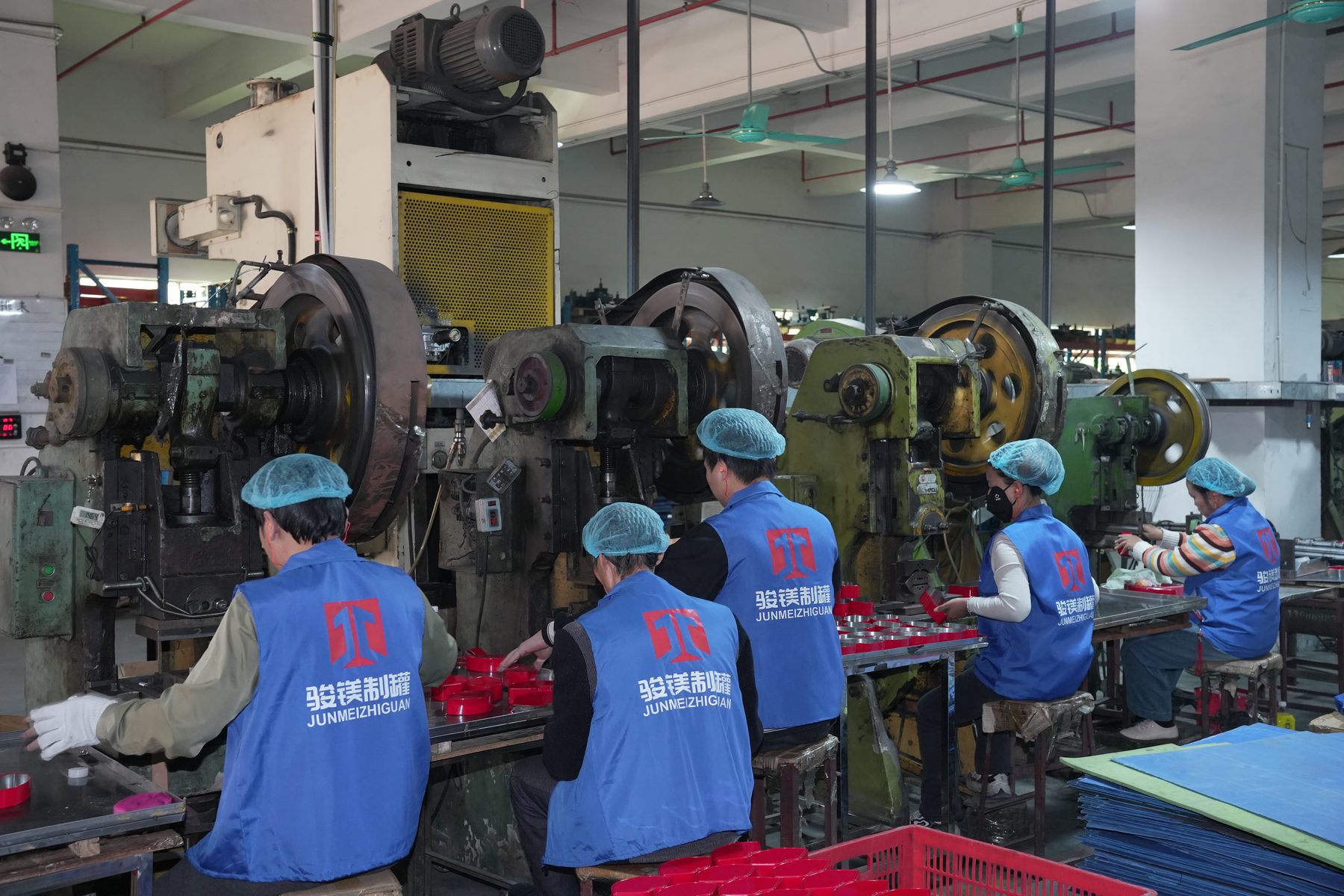
Printed sheets are slit to the required production layout before tooling and presses form the body, lid and other metal components. Depending on the construction, the route can include stamping, drawing, trimming, curling, seaming or component assembly. Operators compare key dimensions, edge condition, closure movement, component position and surface handling with the confirmed drawing and approved sample.
- InputConfirmed tooling route, approved structure sample, drawing, lid and component or insert plan
- ControlTooling setup, formed dimensions, curls and edges, lid fit, assembly position and visible surface condition
- Buyer referenceApproved physical sample or first-off reference, structure drawing and agreed finish details
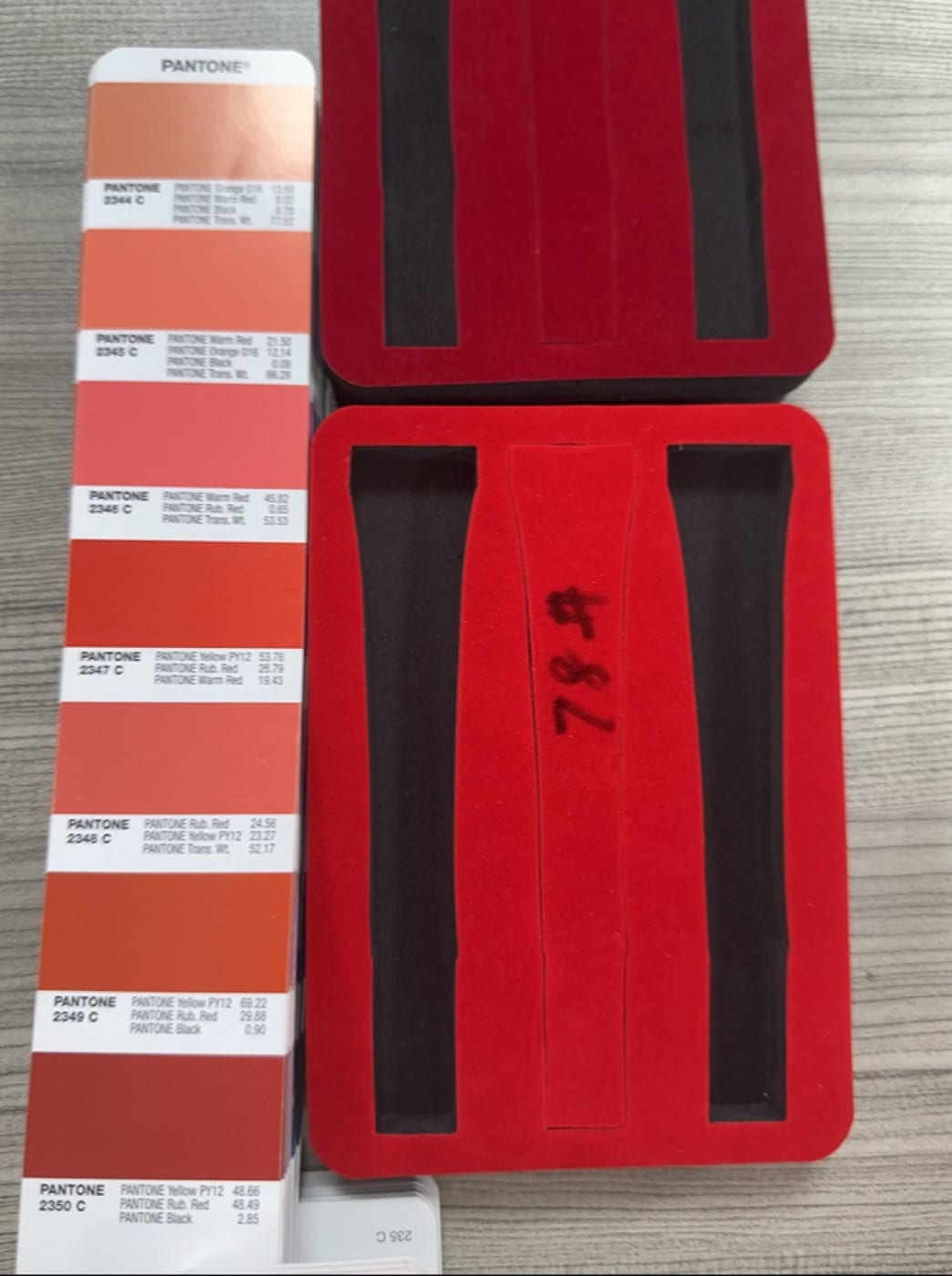
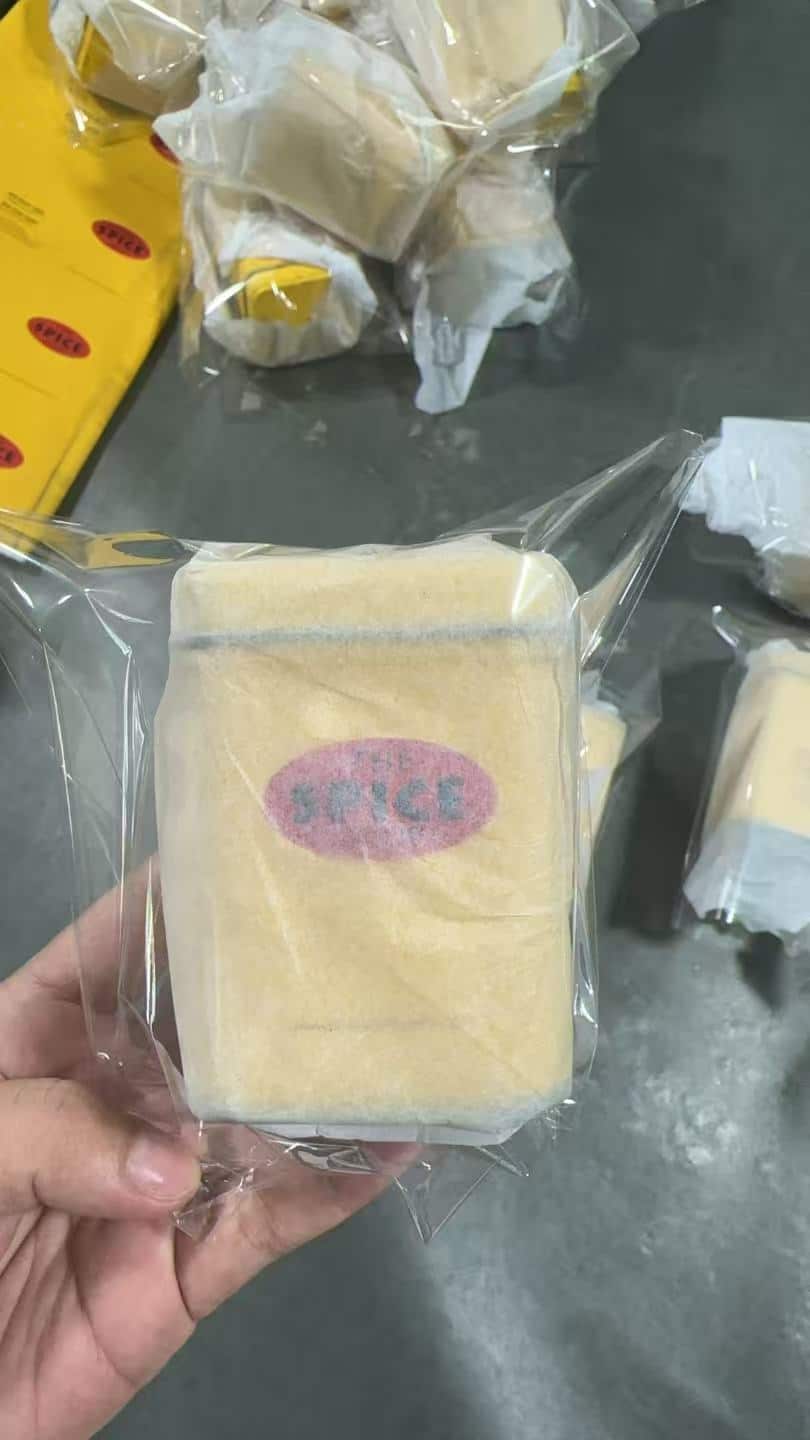
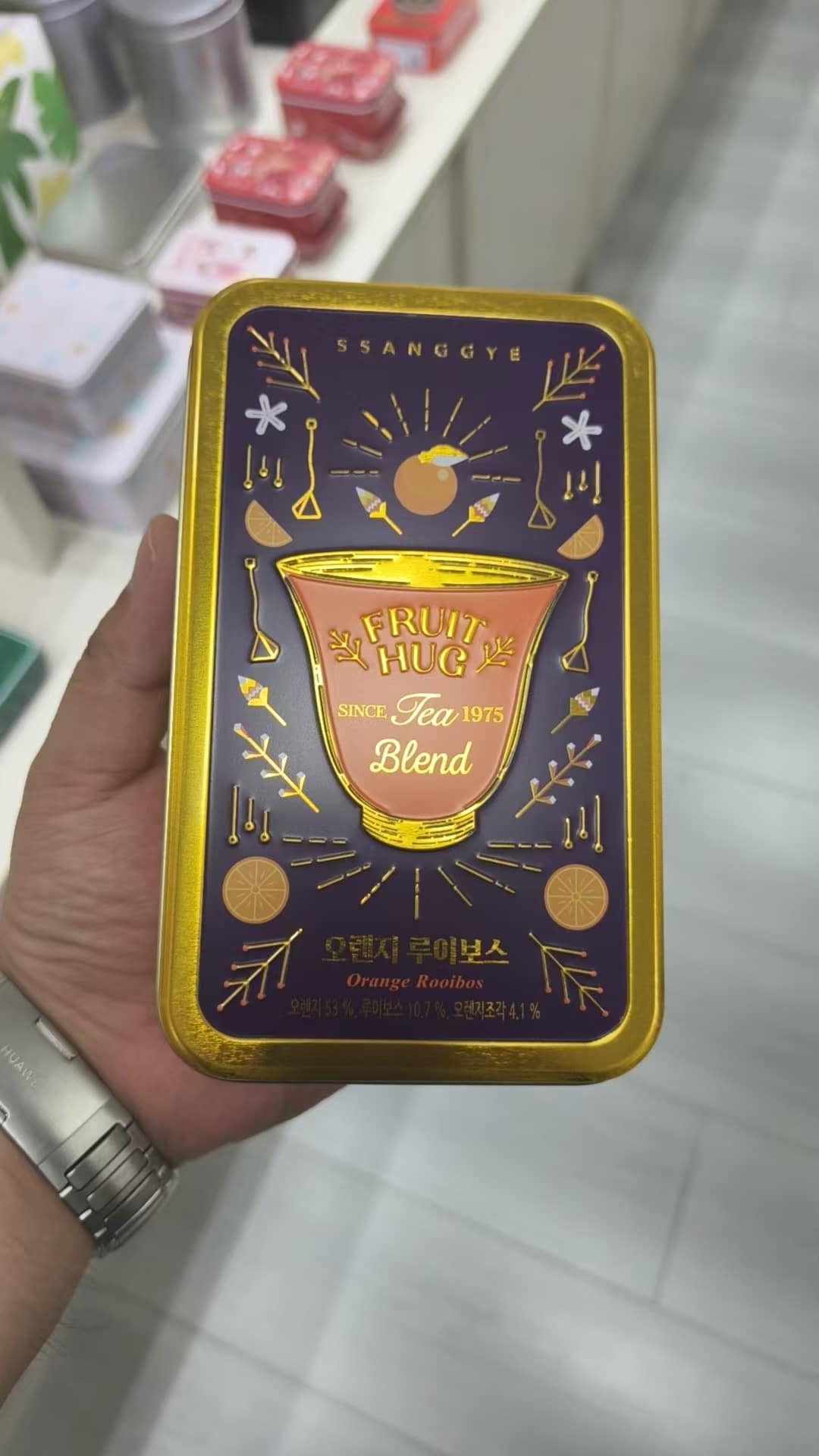
Inspect the finished tin and its approved packout before release.
In-process and final inspection can cover dimensions, edge condition, lid fit, print and surface appearance, cleanliness, component placement and packing against the approved project reference. Sealing, drop or vibration verification can be arranged when relevant, with the method, sample stage and acceptance criteria confirmed for the order rather than assumed for every tin.
- InputOrder-defined inspection points, approved sample or drawing, packing specification and any test protocol
- ControlDimensions, edges, lid fit, print and finish, cleanliness, pack quantity, protection and carton condition
- Buyer referenceInspection record where required, retained sample or color reference, carton marking and shipment evidence
Connect every production gate to an approved reference.
The drawing, approved sample, artwork or color target and packing specification define what the factory checks. Tolerances, sampling, frequency, records and acceptance criteria are project-specific; Junmei does not apply one published AQL or one fixed tolerance to every shape and construction.
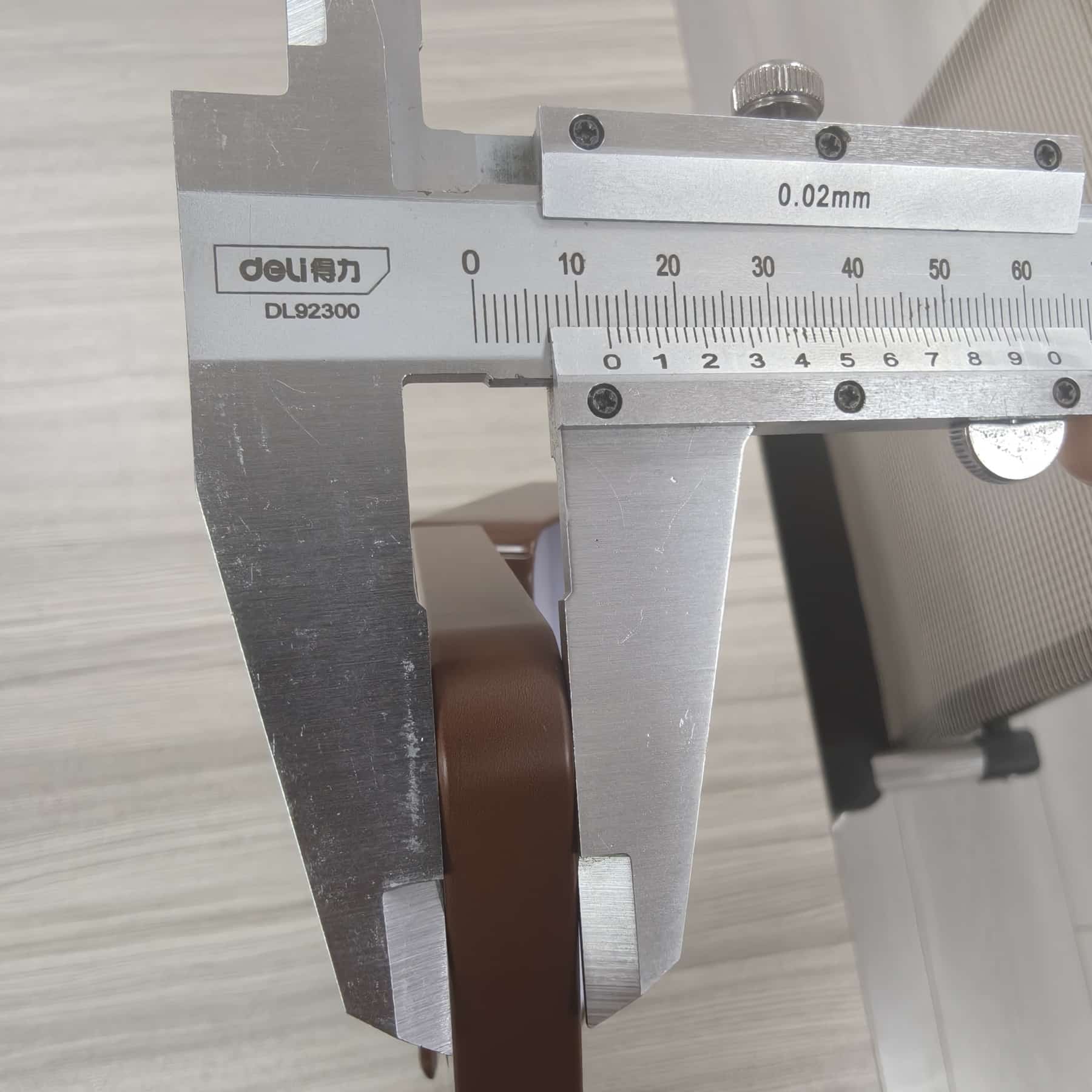
Drawing identifies the dimensions and structure to verify.
Approved sample confirms lid movement, handling and visible finish.
Project criteria define tolerance, sampling and acceptance for the order.
| Gate | Buyer-approved reference | Factory check | Record to retain |
|---|---|---|---|
| Printed sheet | Released artwork, proof or signed color target | Layout, registration, print direction, visible color and surface condition | Approved artwork version and color or proof reference |
| First formed sample | Approved structure sample or confirmed drawing | Key dimensions, curls and edges, lid fit, component position and visible finish | First-off reference, sample photos and production notes where required |
| In-process output | Agreed appearance, construction and order-defined inspection points | Print handling, forming and assembly consistency, cleanliness and component placement | In-process inspection or test notes when required by the project |
| Final packed goods | Approved sample, packing instruction, quantity and carton marking | Final appearance, lid fit, protection, pack quantity, carton condition, labels and pallet or loading requirements | Final inspection, packing reference and packing or loading photographs as agreed |
Release the approved tin together with its packing and loading plan.
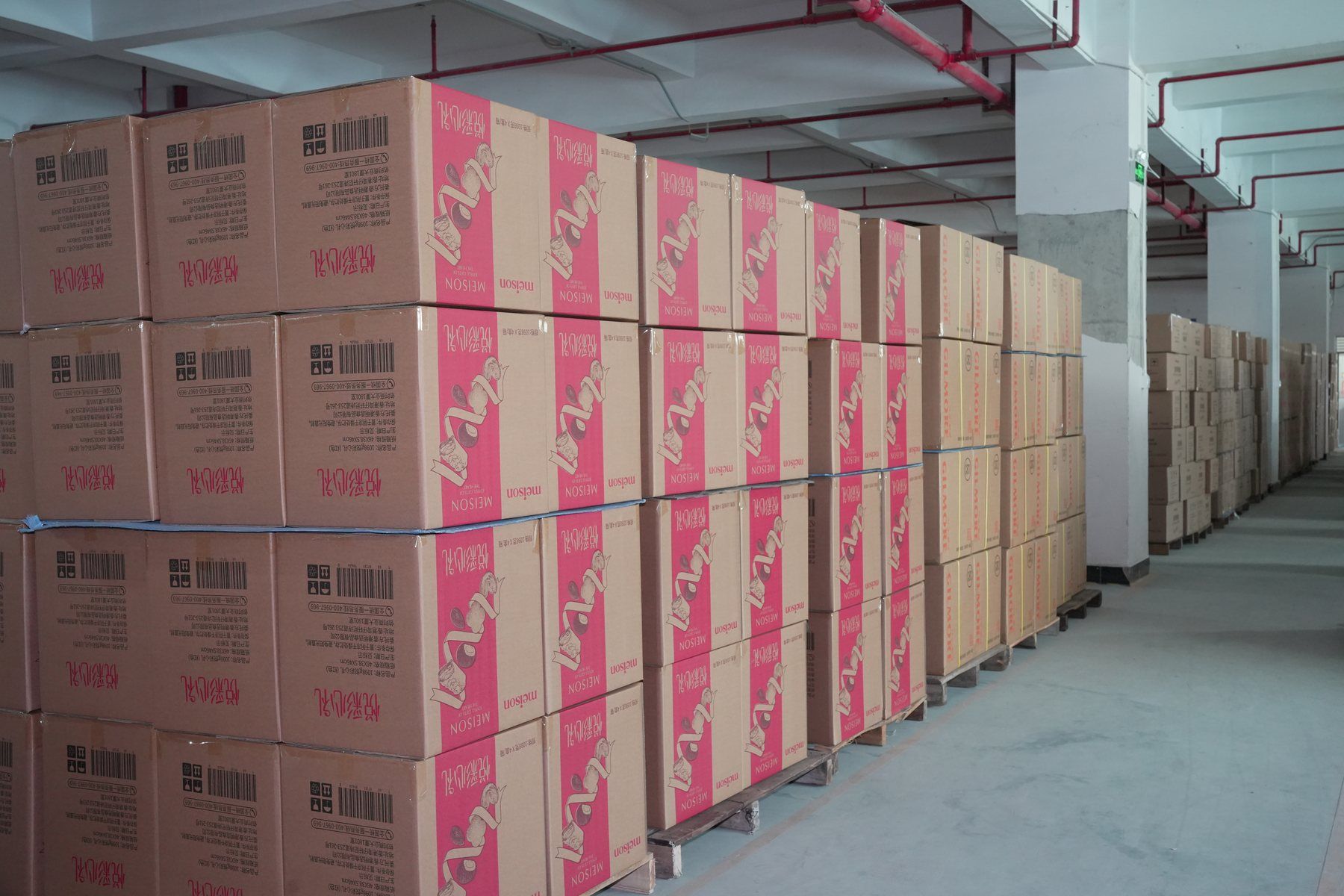
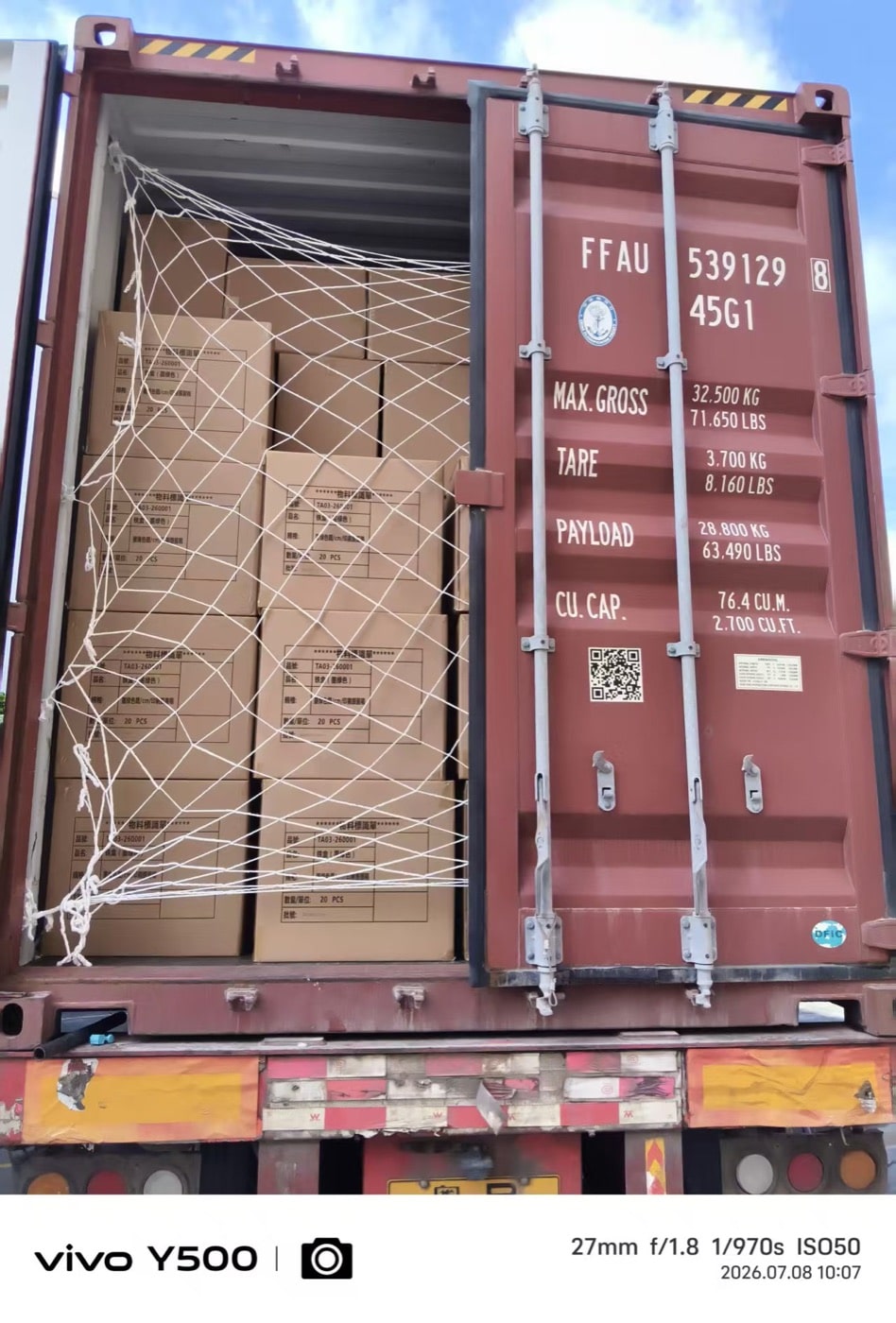
After final inspection and cleaning, finished tins are packed according to the confirmed packout. Project support can include individual protection, inner and outer cartons, dividers, liners or inserts, pallets and container loading. Carton identification, pallet stability, photographs and common export-coordination documents are prepared only as specified for the order.
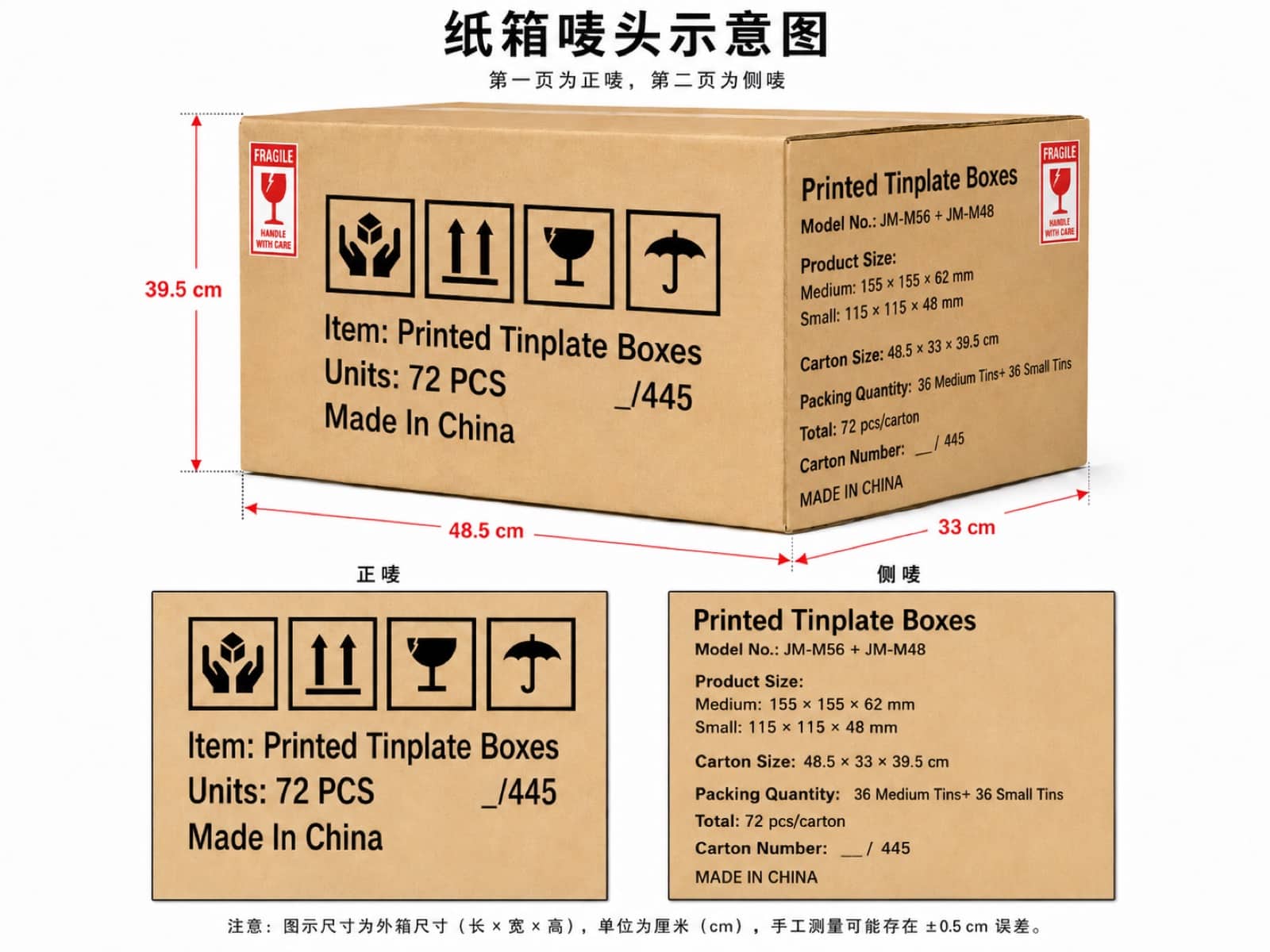
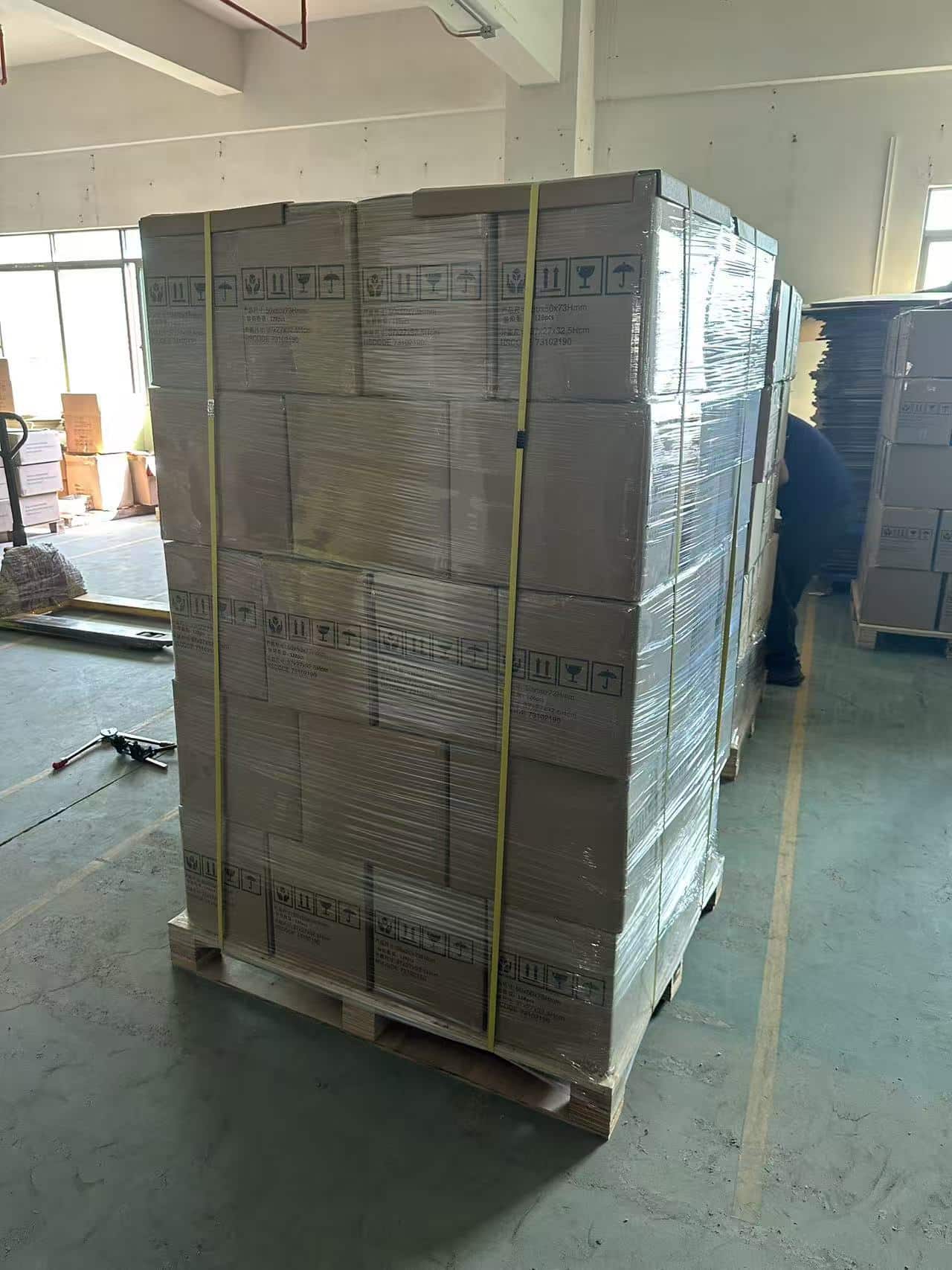
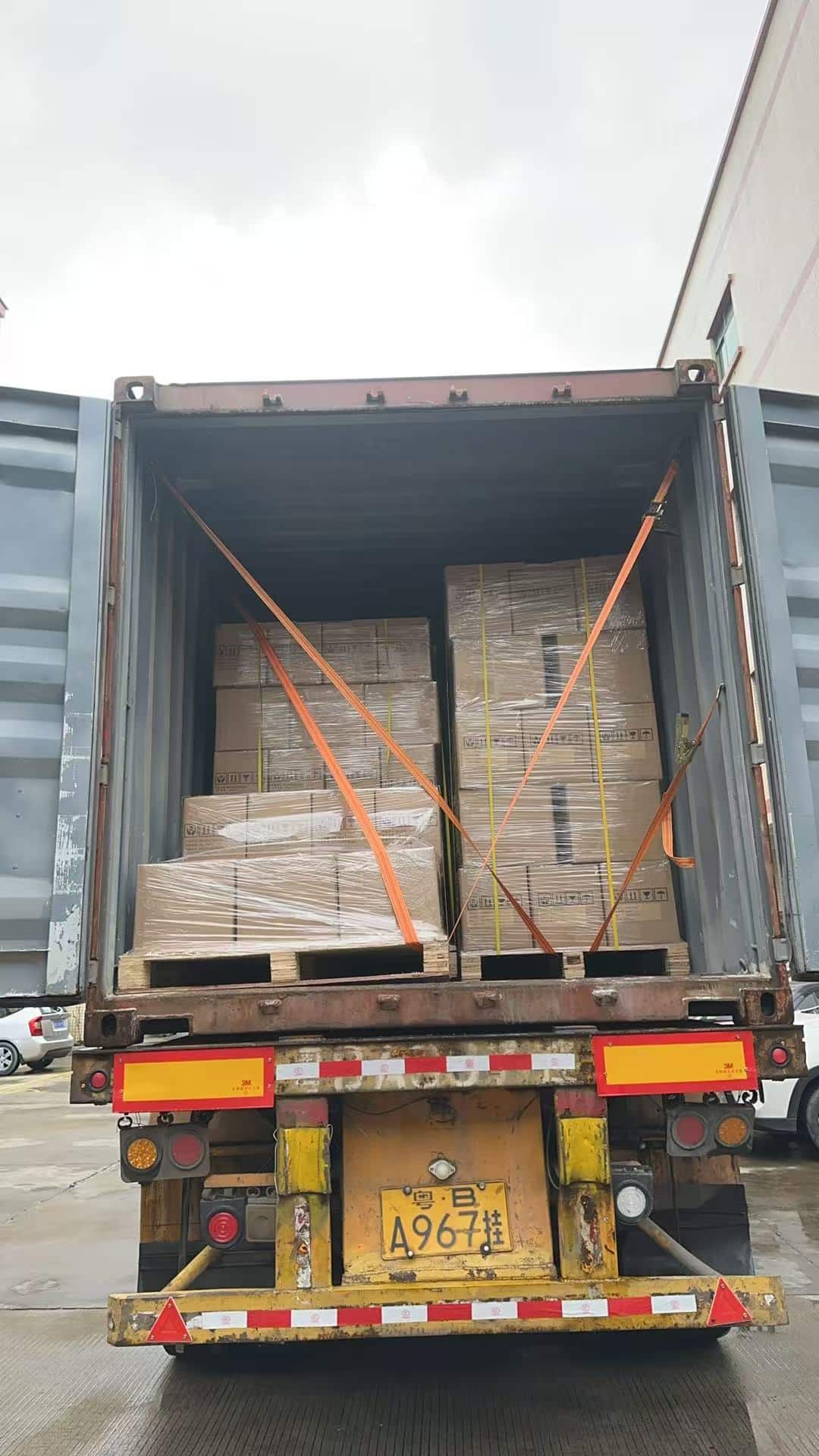
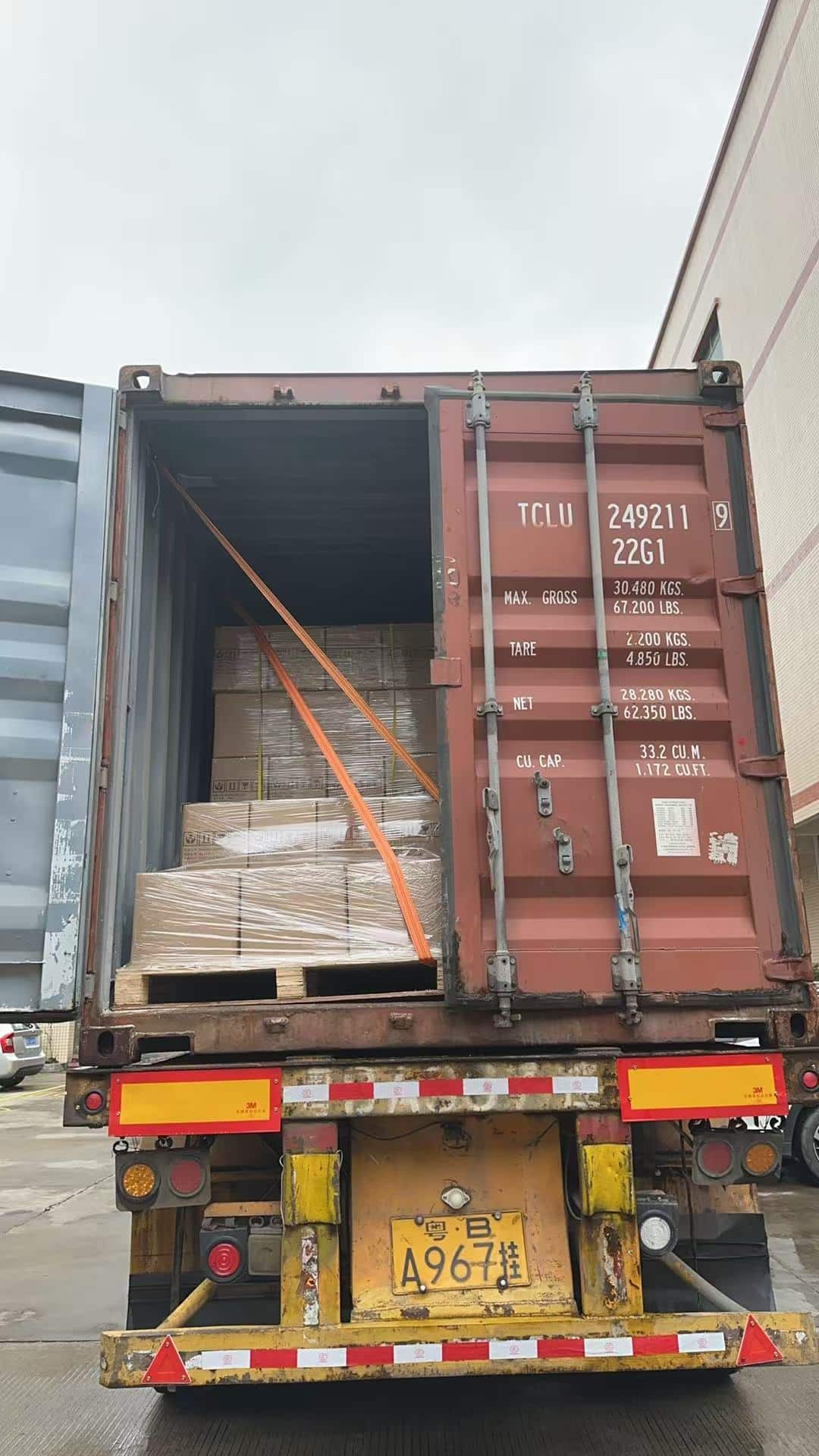
Use approved references to control artwork and repeat orders.
Seasonal, multi-artwork and repeat orders are compared with the released artwork, approved proof or color reference, retained sample, production notes and packing specification available for the project. These references support version and color comparison, but do not create a promise of absolute zero color difference or permanent retention.
Artwork version
Released production file, dieline and artwork revision.
Color reference
Approved proof, signed color target or retained reference.
Physical sample
Approved structure, lid fit, handling and finish reference.
Production notes
Tooling route, process decisions and order-defined inspection notes.
Packing specification
Protection, pack quantity, carton marks and pallet requirements.
Send the information needed to review your production route.
Share the product or application, usable size or fill requirement, shape, lid and components, artwork and finish, expected quantity, target market, packing plan and required date. MOQ starts from 3,000 pieces and depends on size, structure, printing and tooling. Samples are typically ready in 3–7 working days after specifications and artwork are confirmed; bulk production typically takes about 25 days after the required approval and order confirmation, excluding shipping and subject to the approved specification and schedule. We aim to respond to qualified inquiries within 24 hours.