
Shape packaging specification guide
Choose a Tin Shape by Product Fit, Packout and Presentation
A familiar outline can shorten sourcing, but shape alone does not confirm capacity, closure performance or product fit. Compare the four shape families below, then qualify the selected format with real contents, usable internal space, contact or inner-pack method, lid, insert, printing, packing and target-market requirements.
Start with the product and usable interior, not the outline alone.
Define what the tin will hold, how it is filled, how it should open and how the contents must be presented. Product cards provide outside dimensions for comparison; curls, seams, corner radii, lid engagement, wall form and inserts reduce the usable interior.
Provide product samples, accurate dimensions, fill volume, piece layout or the filled inner pack. Junmei can then shortlist current molds and identify whether a size adjustment or new tool needs evaluation.
Choose round tins for radial layouts and canister formats.
Round tins suit centered products, loose fills, candles, confectionery assortments and tall canisters. Diameter and height are the first comparison dimensions, while lid engagement, inner lids, double-lid options, stacking and the radial artwork seam must be reviewed separately.
Use the Round page when the project begins with a circular footprint or diameter constraint rather than a specific tea, coffee or cookie application.
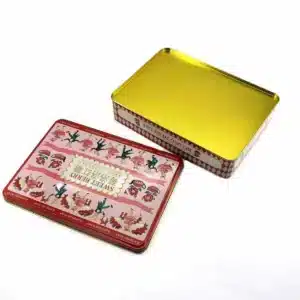
Choose rectangular tins for rows, kits and defined orientation.
Rectangular tins make efficient use of linear product layouts and provide clear front, back and side panels. Length, width, height, corner radius, hinge or slip-lid direction, insert geometry and carton orientation influence the final result.
Use the Rectangular page for pocket formats, bars, rows, stationery-style kits, biscuits, confectionery and multi-item sets that benefit from a directional packout.
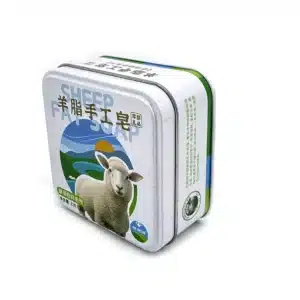
Choose square tins for balanced footprints and four-panel branding.
Square tins provide a balanced shelf footprint for food, gift, beauty and promotional packaging. Side length, height ratio, corner construction, lid fit, insert location and stacking behavior matter more than nominal capacity alone.
Use the Square page when equal-length sides, a centered presentation or coordinated four-panel graphics are important to the design.
Use special-shaped tins when the outline carries the brand idea.
Special-shaped tins can support seasonal, character, logo-inspired and collectible concepts. They require an earlier feasibility review because minimum radii, draw depth, transitions, opening geometry, artwork distortion, nesting and tooling can change the concept.
A reference image is useful, but a dimensioned outline, product packout and opening requirement are needed before Junmei can confirm a manufacturable direction.
Decide between a current mold and new tooling after the brief is complete.
Current molds may reduce development time when the usable space, lid and structure fit the project. New tooling is evaluated when the footprint, height, opening, embossing relationship or packout cannot be achieved with a suitable current format.
Sampling and validation can include fit, lid engagement, print and forming review, inserts, moisture-protection targets, drop or vibration work and packing checks as relevant. Test scope and acceptance criteria remain project-specific.
Send one shape brief that a factory can act on.
MOQ starts from 3,000 pieces; final MOQ depends on size, structure, printing, versions, inserts, packing and tooling. Samples are typically ready in 3–7 working days after specifications and artwork are confirmed. Bulk production is typically about 25 days after required approval and order confirmation, subject to the final project.
Send the contents, product or inner-pack dimensions, fill/count, preferred footprint and height, lid, insert, print areas, quantity, artwork versions, target market, packing and delivery plan. Junmei will compare shape families and state what still requires fit, tooling or test confirmation.
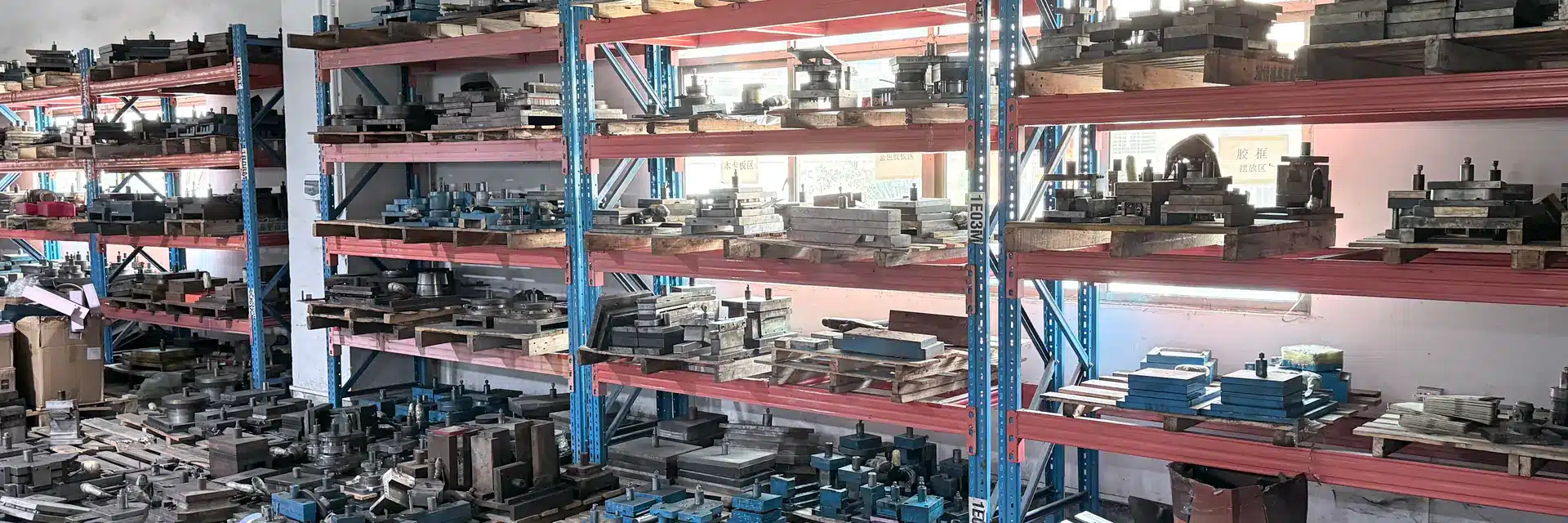
Shape and tooling review
Need Help Choosing the Right Tin Shape?
Send the real product or inner-pack dimensions, preferred footprint, opening, insert, artwork, quantity and market. Junmei will compare current round, rectangular, square and special-shaped formats before recommending adjustment or new tooling.